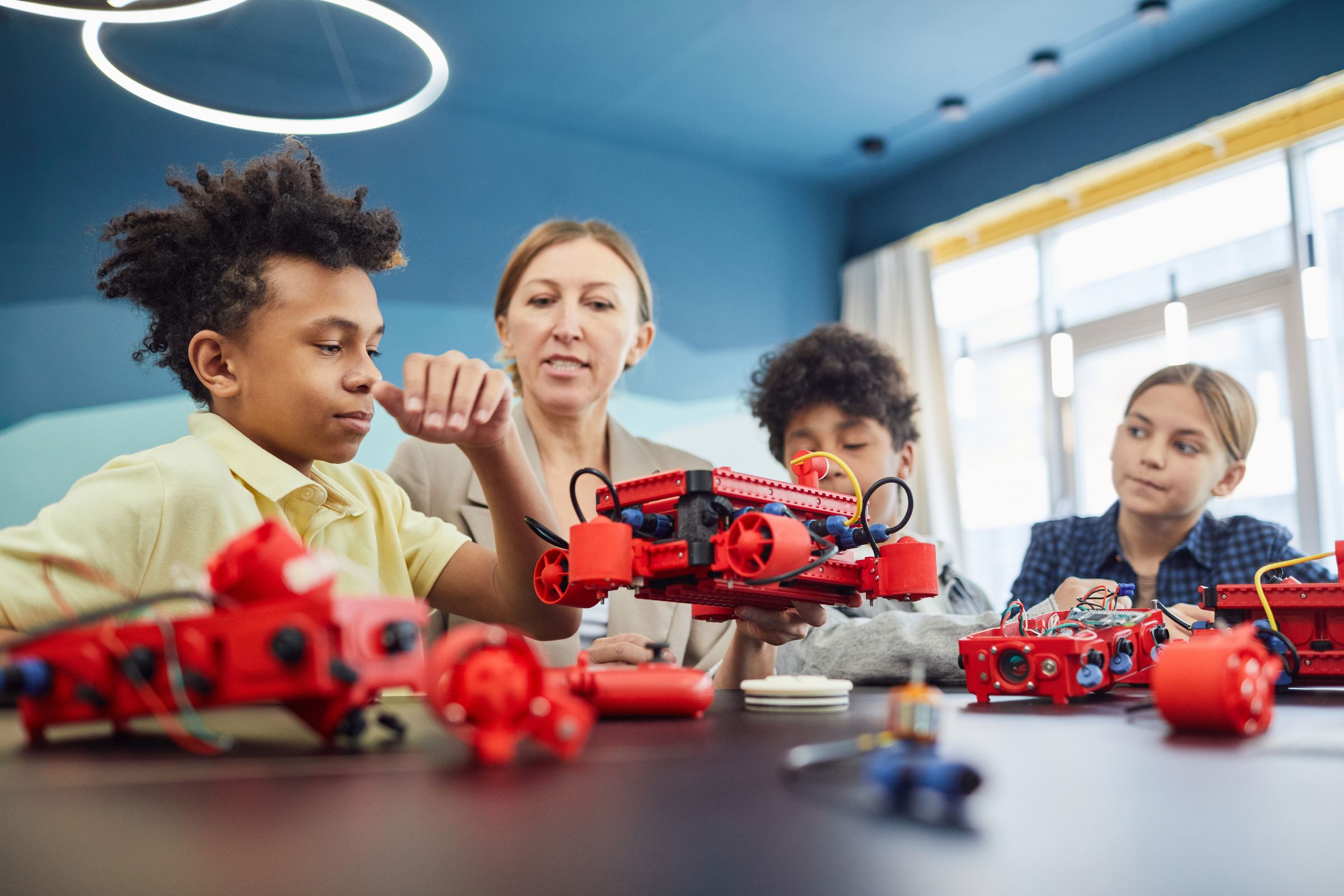

Start with the patterns you already see
Notice what your child returns to without being prompted. They might build elaborate worlds, copy dance routines, organise backyard games, draw for long stretches or ask endless questions about how things work.
Those everyday patterns are often more useful than choosing from a list of fashionable activities. Use them to identify two or three broad directions—such as movement, making, performing or problem-solving.
Match the environment as well as the activity
Two programs can teach the same skill in completely different ways. One may be energetic and social; another may be calm, structured and focused. Think about group size, noise, pace and how much individual guidance your child is likely to need.
- Is the program designed for beginners?
- How large is the group?
- Can children observe or try a session first?
- How does the provider support children who feel unsure?
Make sure it fits real family life
Travel time, session length, equipment and the rest of the weekly schedule all affect whether an activity remains enjoyable. A slightly less convenient activity can still be worthwhile, but the trade-off should be clear before you commit.
Treat the first session as an experiment rather than a permanent decision. Afterwards, ask what felt fun, what felt difficult and whether they would like to try again.
A good choice creates curiosity before the session and a sense of possibility afterwards. Start with the child in front of you, then use the practical details to make the choice sustainable.